

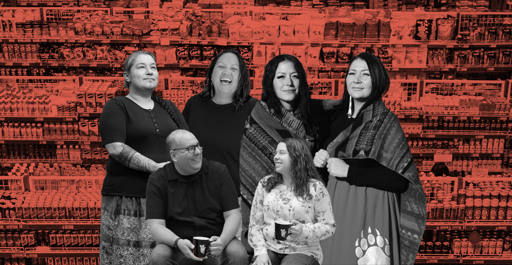
Walking down the aisles of one of “Canada’s” major groceries, it’s rare to see Indigenous food products. Even in smaller, independently-owned retailers, they are still few and far between. Fish might be from Alaska and seaweed from Japan, despite being plentiful on the coast of “British Columbia” and harvested by local First Nations. There are many “Canadian” products big and small, but Indigenous producers, as well as their local traditional foods, are rare. Where are the Indigenous goods?
The article isn’t about diets, it’s about how difficult it is for small, indigenous businesses to stock larger grocery chains — But diets can vary greatly between different tribes and locations. Remote communities have a hard time getting conventional products, which can be prohibitively expensive due to transportation costs, so a number of people rely on traditional hunting and local foods. Inuit still hunt seals, northern BC is big on the salmon catch, and deer are big in the prairies.
Pemican, salted fish and jams are all shelf-stable, traditional and use natural preservatives. Making products doesn’t mean mass-production either, I worked at a small food production business for five years, and our biggest batches were around 40 pieces at a time.
Not to mention that seasonal harvests and hunts were a big part of the hunter gatherer lifestyle, where a whole community would come together to work through a salmon catch, game, and harvests. Mass production was absolutely a traditional part of indigenous life.
They definitely had complicated recipes, too. In just the northern Okanagan tribes, they made a bread from black moss, herbs and fruit. They also whipped up saponin rich berries into a kind of cream mixed with preserves and berries for a dessert, for just a couple examples. Foods of the BC interior first peoples are actually pretty fascinating. Seasonings and involved production methods were widely used as well.