

I wanted to move away from Tailscale but found Headscale a bit too convoluted for what I actually needed.
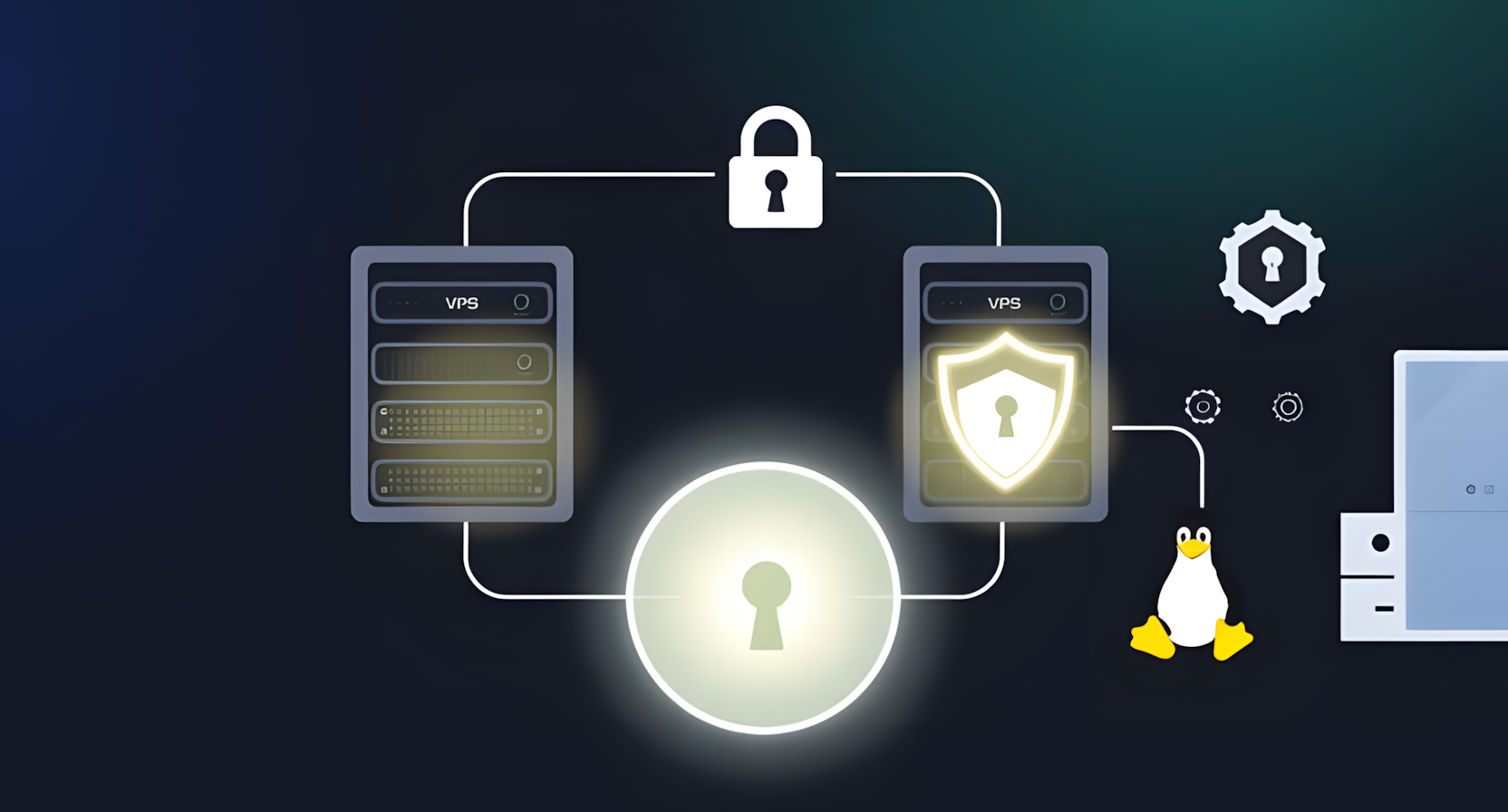
Ended up with a simple WireGuard setup using two VPSes: one as a VPN hub, the other acting as a reverse proxy back into my home lab.
It lets me expose services publicly without any inbound port forwarding on my home connection.
I’m rusty since it’s been awhile, but I don’t understand why you need two VPSs. I have a similar setup just using one. It was mainly to get around the ISP NAT. My DNS points to the VPS, and it forwards traffic to/from my home server over the WG connection with IPtables rules.
You’re right, and for a lot of people, one VPS is the sensible choice. I actually addressed this in the post:
"VPS1 is my web-facing server. It handles the public side of things. VPS2 is the VPN hub. At first glance, that probably looks unnecessary. Strictly speaking, it is unnecessary. I could have crammed WireGuard onto VPS1 and called it done. But splitting the roles makes the whole thing cleaner.
One machine serves public traffic. The other handles VPN duties. That means fewer networking compromises, fewer chances of Docker or firewall rules becoming annoying, and a clearer separation between the public-facing stack and the private tunnel. It also means I can change one side without poking the other with a stick and hoping nothing catches fire."
Gotcha, didn’t realize it was a blog post haha. As far as my personal experience, I never have to touch it. Once I did a dist-upgrade and broke it, but fixed it with a backup.