
Guelph, Ontario-based GoodLeaf Farms has become profitable across its vertical farming operations for the first time.
The context: GoodLeaf, which was founded in 2011 in Halifax, has spent over a decade developing recipes and proprietary tech that helps the firm maximize the yield and quality of its produce by monitoring and controlling light, air, and water delivery to its plants. The company, which counts McCain Foods, Farm Credit Canada, and Power Sustainable Lios among its backers, attributes its success to “years of innovation, disciplined growth, and strategic investment.” It also comes on the back of fivefold revenue growth over the past three years, as GoodLeaf’s total sales soared from $6.4 million in 2023 to $34 million in 2025. GoodLeaf said its revenue is up another 31 percent this year, thanks to rising consumer demand and expanded retail distribution.
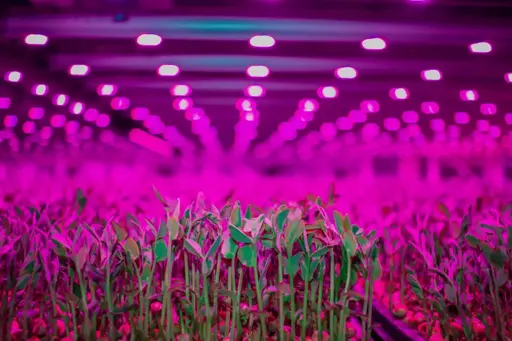
As a hater of vertical farming I have never doubted it could be profitable. I just doubt it can ever be environmentally friendly since light must come from someplace and either you are in the ground, you shade something else, or you use artificial lights. The last is most likely and that means more CO2.
Solar panels on the outside, crops on the inside. I understand your doubts but you should also consider that with vertical farming you need much less pesticides, which is a plus for the environment. It’s also robust against heat waves and storms. In general, it’s a reliable food source, much more so than traditional farming these days.
generally its artificial lights but it uses ones that are just the wavelengths the plants need and then the idea is to use clean energy sources. in return you are using less land for farmland and growing it in a high density area so that you save energy on shipping. then also harvesting and such can use clean sources. I was sorta the opposite of you. I was jazzed for it but afraid it would not become cost effective.
So are you a lettuce baron by inheritance, or did you just always want to be one ever since you were a kid?